
Giovanni Soldini, one of the most complete and famous among Italian and single-handed sailors, began his career with a courageous choice. To a Milanese life, conforming to the rules and a common life, he chose the sea and this was his first victory.
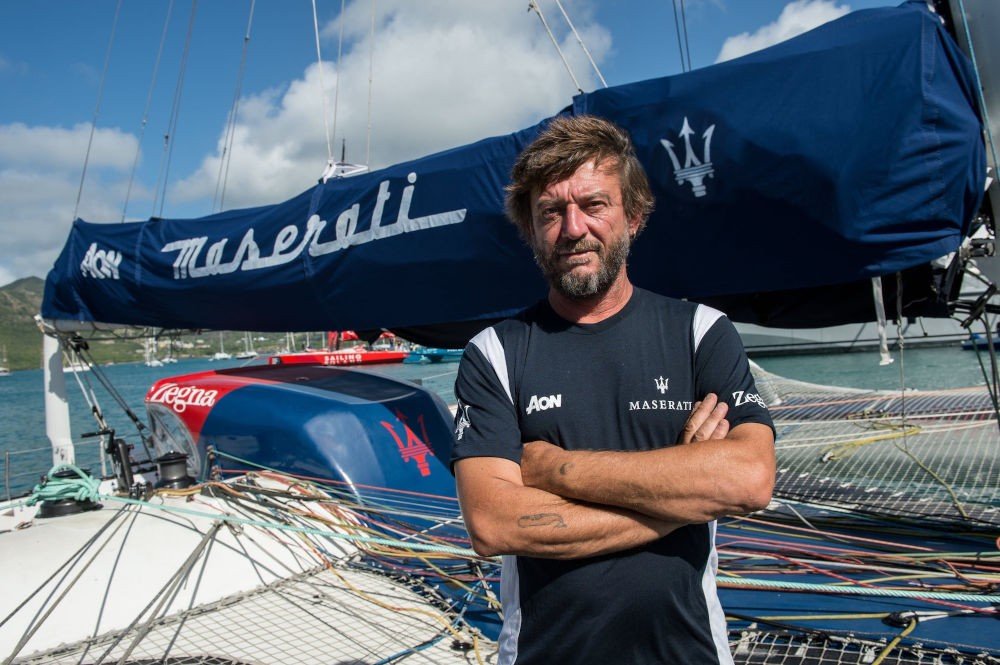
From his first experiences with the Malingris, to the Maserati trimaran on which he flies over the oceans, Giovanni Soldini has been the protagonist of Italian offshore sailing for twenty-five years. Tanned skin, sun-bleached hair, a capohornier earring: whether at the helm, on the construction site or in front of bankers, the Italian sailor is always himself. A man who has made of his dream a job: rough at times but true, as the sea teaches.
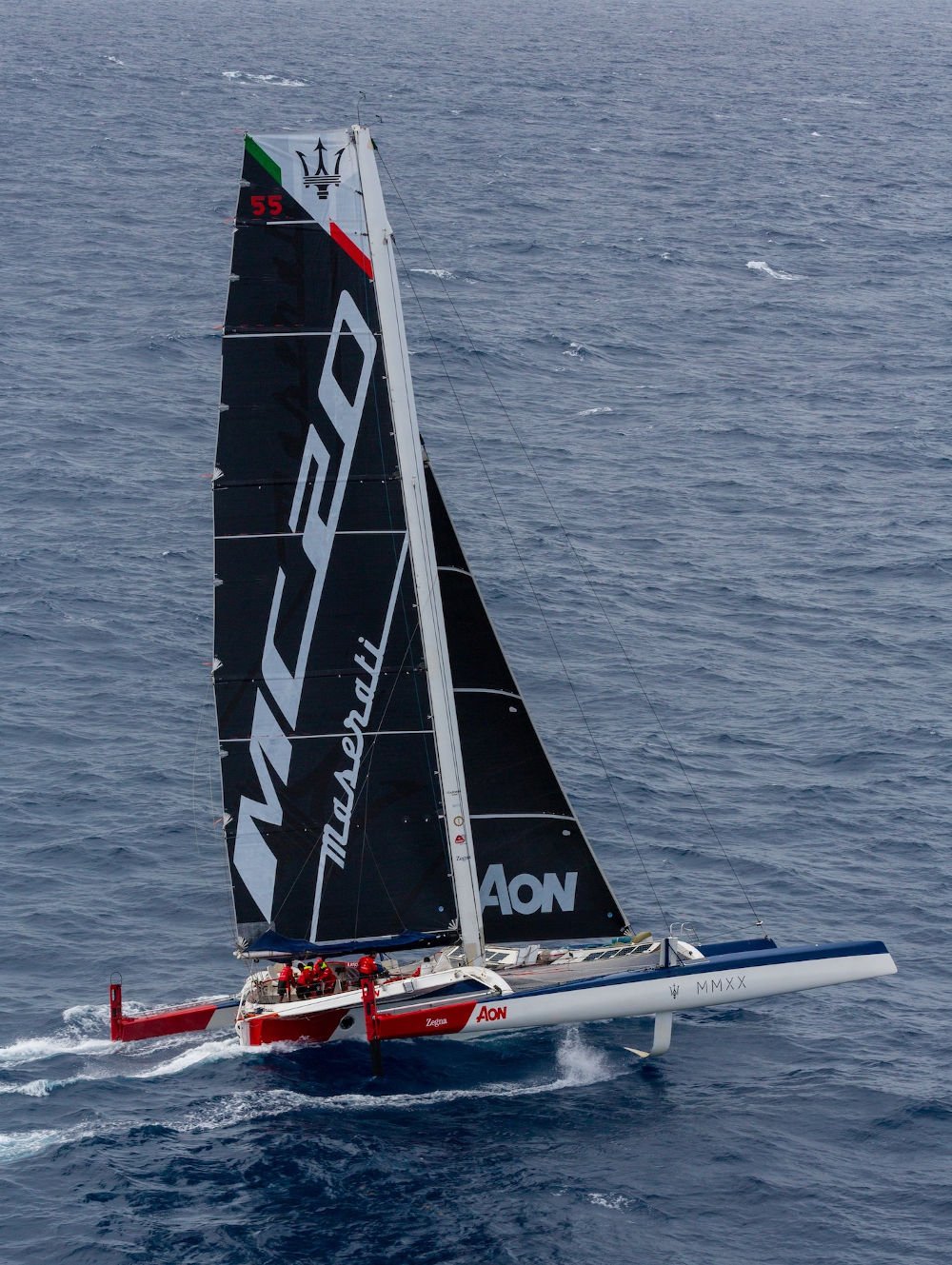
Giovanni Soldini on the Maserati Multi 70 trimaran
For four years, the Italian sailor has been flying with his team on the Maserati Multi70 trimaran and set several records whilst circling the world twice.
In 2016 they won the Rolex Middle Sea Race with a time of 2 days, 1 hour, 25 minutes, beating the previous record by ten hours. At the RORC Transatlantic Race, the first transatlantic race, Giovanni Soldini and his team obtained a second place among the multihulls.
“For drinking water we have a small desalinator that produces about thirty liters of drinking water per hour, we usually turn it on for two hours a day. As for food, eating well is important to me, I don’t bring freeze-dried products, I always cook with a pressure cooker. The trick is to dose the water and the pasta well, for example, and cook everything in a pressure cooker: even the crew appreciates it”.
The passion for the sea in the blood
Going back to the origins, how was your passion for the sea born?
As a child my father used to take me by boat both to the lake and a bit in the sea and I began to experience the first strong emotions on the water. When I grew up, as a teenager, I wanted to travel and sailing seemed like a great way to do it. Thanks to the meeting with my friend Vittorio Malingri I had the opportunity to start working on the in a yard: I built a prototype of the Moana when I was fifteen. With Vittorio and his family, great Italian sailors, I also had my first experiences at sea: the first transfers and the first regattas.
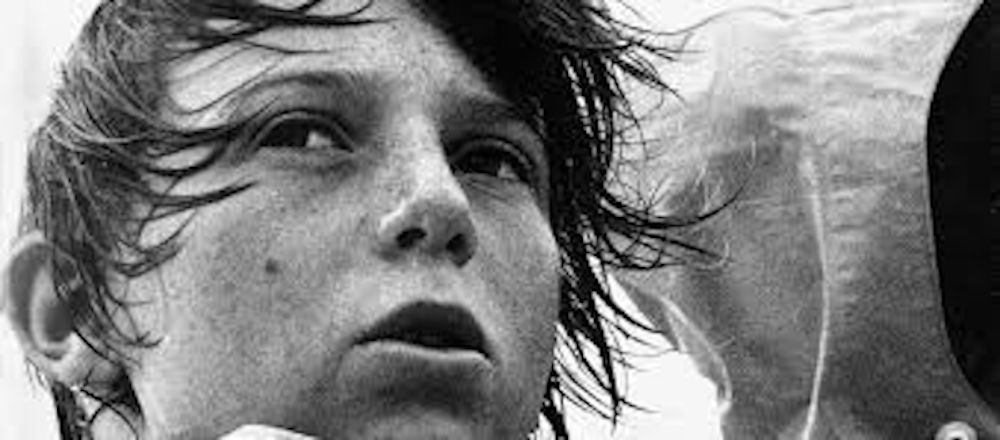
My first Atlantic crossing was in 1989, at the age of 23, I had made a transfer to the Balearics and there were many preparing to cross. An elderly American gentleman put me on board: I learned English on that occasion, because I didn’t know a word. I then worked with Vittorio for a couple of years in the charter base he had founded in Cayo Largo: ten months in Cuba were a wonderful experience. This is how my career began”.
Soldini builder: you started building your Open 50 ‘Amazing-Kodak how do you remember this experience and how did you inspire the designers of your boats?
“The birth of Amazing-Kodak was a wonderful experience, for me it was a very special boat. I wanted to go around the world, but I was young, unknown and I had no sponsors. I founded an association and gathered forty-five friends, members who lent me the money for my project.


I thought of building what later became Stupefacente in a community of former drug addicts, coordinated by Stephan Falcon who was the site manager. It was much more than building a boat, it was a great human project that marked the future of many people. Some young people from the community have continued in the world of sailing: one became foreman, two took part in the America’s Cup”, recalls Giovanni Soldini.
From Looping to Amazing-Kodak, the evolution of Berret-Soldini
“The first Open50” on which I had raced was Looping, designed by Berret-Racupeaucon, a very futuristic boat. I had finished third in my first solo race “La Baule-Dakar” in 1991. When I thought of a new boat after the Looping shipwreck, I went to Berret and asked him to draw the project.
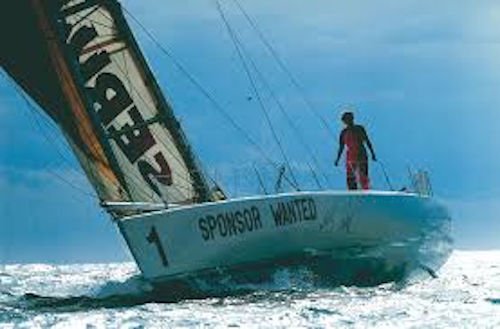
I had written together with Yves Parlier that he had toured the world on Looping a twenty-page booklet with advice and observations. I explained what evolution must have been like in our opinion: the funny part was how it was written in a “Francitaliano”, because I wasn’t writing French at the time. Berret accepted but faxed me the drawings: in conclusion we built Stupefacente-Kodak with about fifty faxes. Only the drawings of the waterline were in full scale, we invented this boat a little, they were other times.
In the past everything was different: a sailor also had to know how to build a boat and the less money you had, the more expert you were. We also melted the Amazing-Kodak bulb from an old Brooksfield bulb that they gave me at the Tencara shipyard.
However, this experience has helped me throughout my career to better understand the boats on which I have sailed. With the current trimaran, although there is a different organisation, I continue to discuss changes, evolution and innovations.”
Giovanni Soldini’s boats: all special and avant-garde
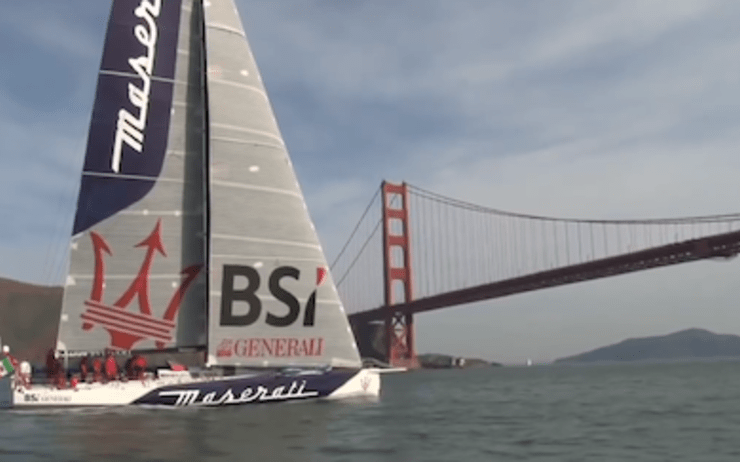
What is your favorite boat after sailing in all Open classes from 40 to 70 foot monohulls to 50 ‘and 70’ multihulls?
“Now I prefer my Maserati Multi 70 trimaran, it gives me many emotions to sail at incredible speed and fly over the oceans. In reality all my boats have been special, interesting and avant-garde, I couldn’t choose one,”confesses Giovanni Soldini.
Amazing-Kodak: Open 50 ‘
“I have found a soul in every boat I have sailed with and I have always had very special relationships with them. I built them, I wanted them, I followed the project and I navigated them: I felt them mine. All were very innovative: Stupefacente-Kodak for example was futuristic for a 1992 project, with the bowsprit and the clean deck. If you put a square-top mainsail on it, it could be a hull from these years, even if it didn’t have chines
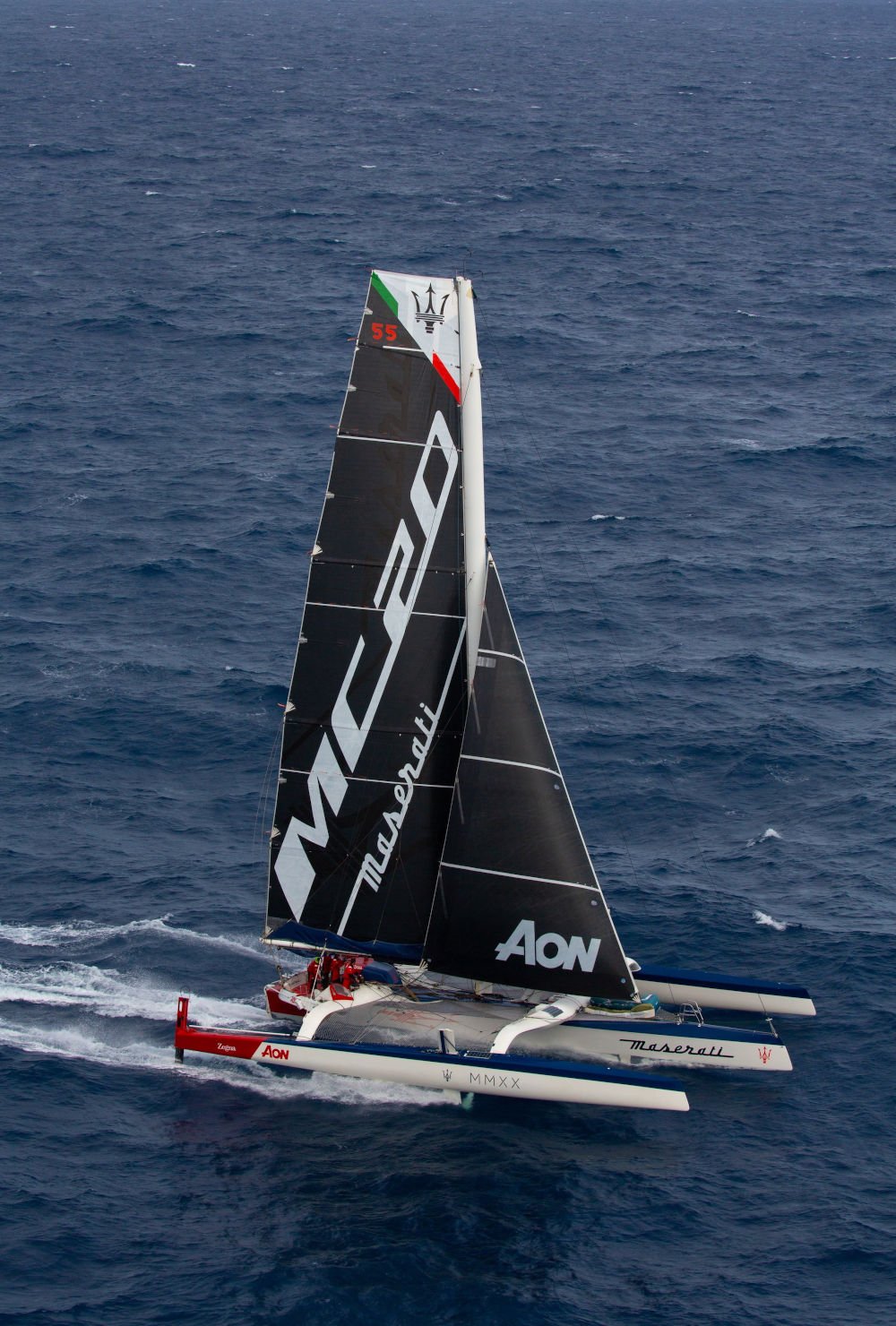
Fila: Open 60′
The Open 60′ Fila project by Finot Conq of 1997, with which I won the Around Alone of 1998/99, had a wing mast and a canting keel. The only one in the world to have both and the second, after that of the Autissier with canting keel that we built with Giovanni Cariboni. Now he is the world leader in canting keels and hydraulic systems, but it all started with my boat”.
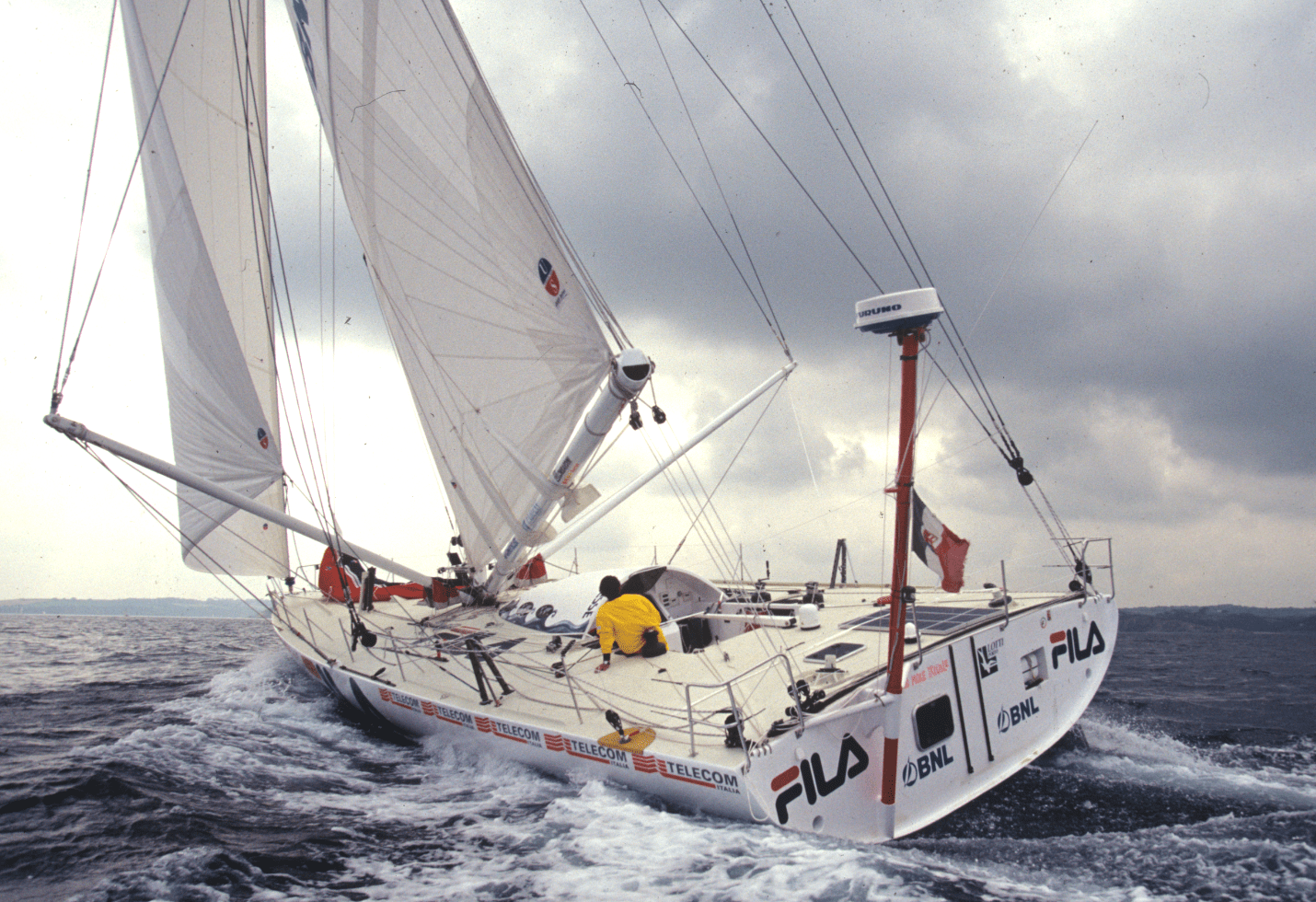
Tim Progetto Italia: 60′ trimaran
“The 60-foot trimaran Tim Progetto Italia was perhaps the least successful boat: I didn’t have a lot of experience and the French were far ahead.But it helped me to understand many things, unfortunately with Vittorio Malingri we capsized at the Transat Jacques Vabre in 2005.
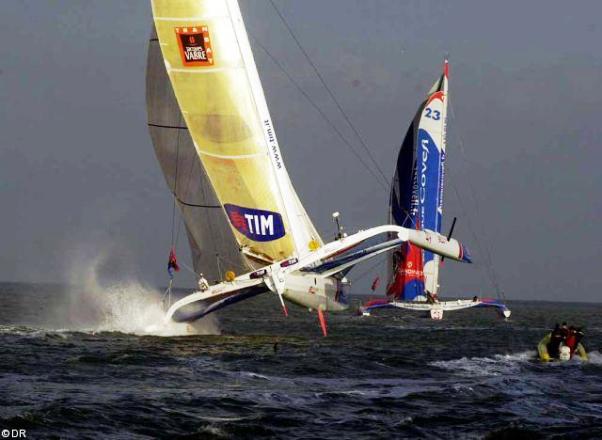
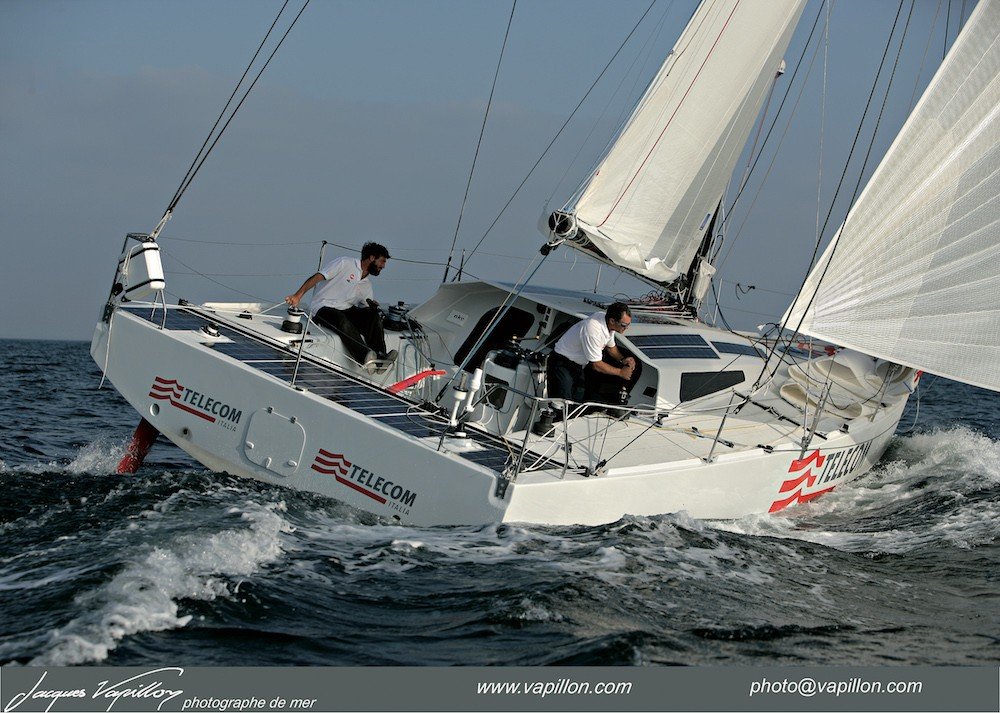
Telecom Italia: the Class40
My Telecom Italia Class40 was a very innovative boat, designed by Guillaume Verdier with whom I collaborated for the design. The boat was very successful and as soon as it was launched we won all the races we took part in.
Maserati Multi 70′: the trimaran
This multihull is very interesting: it was the Gitana XV to which they had put an L-foil. We developed the whole system: we redid the rudders to help fly the boat. The research was aimed at flying the trimaran not only in flat water but in oceans around the world. I believe that we have found the best possible solutions and we continue the research to this day, building on the experience of two world tours”, says Giovanni Soldini.

Giovanni Soldini: single-handed sailor
From 1994 to 2008, Soldini affirms his vocation as a single-handed sailor by winning many international races. In 1995 he obtained a second place in the BOC Challenge, a solo world tour aboard Stupefacente-Kodak. In the following 1998 edition, called Around Alone, he won in the 60-foot class, completing the world tour in stages on Fila in 116 days.
He participates five times in the Ostar, also known as The Transat, the hardest solo Atlantic crossing and wins in 1992. He set a new distance record in the Open 50′ class and won in 1996; in 2008 he won on the Class40 Telecom Italia.

Pleasures and difficulties of sailing alone
What are the difficulties and pleasures you find in sailing solo?
“I love sailing solo, I’ve done a lot of regattas and it’s a great school of life, first of all because you can’t blame anyone, only yourself. You learn to forgive and understand yourself, because you always make a lot of mistakes, it’s something to take into account. I also really liked the environment which in those days was very supportive, made up of special people who came from all over the world. There were many French, English, South African, Australian, New Zealand sailors, unfortunately few Italian sailors, however it was a wonderful experience. Ambrogio Fogar, Pierre Sicouri preceded me, but perhaps I was the first to focus my life and career on solo sailing.
The difficulties must be faced more on the ground, for example to find sponsors and you must always link a project for the commercial purposes of the sponsors. I have always been lucky and I have learned many things like with Telecom to shoot and edit videos and send them via satellite. Learning to communicate from sea to land is an important part: to keep the public informed and let them experience the adventure”, says Giovanni Soldini.
The problem of UFOs in offshore regattas
In many regattas there is talk of withdrawals of competitors due to the collision with UFOs, floating objects that damage the submerged ends of the boats. You too with the Maserati Multi70 trimaran in 2017 hit an UFO and broke the starboard rudder, what do you think of this situation?

“The seas are under pressure from all points of view: both for objects abandoned by man and for things that the sea takes. It’s not just human work, let’s think about what happens in the Pacific when a typhoon hits an island: it drags all the debris and debris into the sea. We are more and more people, all pursuing a more unbridled model of consumerism, of growth at all costs. Natural resources are exploited without any hesitation and with a view to tomorrow: human beings are creating many problems, such as pollution for sure”.
The pollution: direct observations of Giovanni
“For those like me who have been sailing for twenty-five years, the excessive exploitation of resources, mainly of the sea, is obvious. When you meet a fleet of industrial fishing vessels for intensive fishing off the African coast, a blow to the heart.
Or at the equator, in calm weather, the trimaran goes slowly and you see floating objects all the time: the coca-cola bottle, the cap, the piece of coloured plastic. Taking into account that 30% of the plastic remains afloat and the rest sinks: we understand that the sea on the bottom is very polluted”, reflects Giovanni Soldini.

“The problem is to think as many do: we go to the moon, we fly in Boeing 747s, so we check everything. Instead we do not control anything, indeed we must learn to live on this Earth in harmony with what is around us.
The way is to change people’s culture and pay attention to consumption but governments should also work together to protect the environment. If we all work together and realise that we are in the same boat, our planet, perhaps we will find a solution”.
“Courage is choosing”

You said “courage is choosing”: what was the bravest act in your life?
“It was certainly not the rescue of Isabelle Autissier as many might think, for me it was an ethical duty. If you are racing and are within two hundred miles of another competitor in trouble, help is a must. I’m not a hero, from a media point of view, the news has been exaggerated”.

“The real act of courage that I have made in life, on the other hand, are the choices, which are difficult and revolutionary in some ways. I was born in Milan to a family that expected their children to be engineers or lawyers. When I announced that I didn’t want to study but to go boating, it wasn’t a walk in the park, everyone was against it. I had to find my way of life: it is an act of courage to follow yourself and your dreams.

I hope to be able to pass this teaching on to my four children so that they can make their choice, their life. I try to teach them to be independent and to follow themselves without being afraid of what others think ”, says Giovanni Soldini.
Italian sailors: the challenges of the future for Giovanni Soldini
What challenge is Soldini the sailor still missing, what would you still like to do?
“I would like to continue racing on Maserati Multi 70 and with the team we want to make other improvements to the trimaran. The team also includes Nico, the son of Vittorio Malingri, and Matteo Soldini my nephew who follows me and will continue my job. For many years he had been moving and working on the boatyard and for a year and a half he’s become part of the permanent Maserati team. So I see a future of people who are growing in parallel with the evolution of the multihull class. When we are three, four trimarans racing is beautiful and exciting and there is a beautiful atmosphere among the crews”.

The fleet of multis grows and is increasingly active: there were four of us at the Transpac Race, three at RORC Caribbean. Maybe they talk about opening the Sydney-Hobart to multihulls: I would like to participate. Now my priority is to bring the trimaran back to Italy because it is alone in Guadalupe and with the hurricane season coming I am stressed. Giovanni Soldini tells us that he cannot stay away from the sea for long. As Jacques Cousteau said: “The sea, once its spell has been cast, keeps you forever in its net of wonder.”
Thanks to Giovanni Soldini and the wind behind the Maserati team!

Bibliography:
- Giovanni Soldini, Nel Blu, a story of life and sea, Tea Libri Edition
- Giovanni Soldini, On the Gold Route, Longanesi Editions


